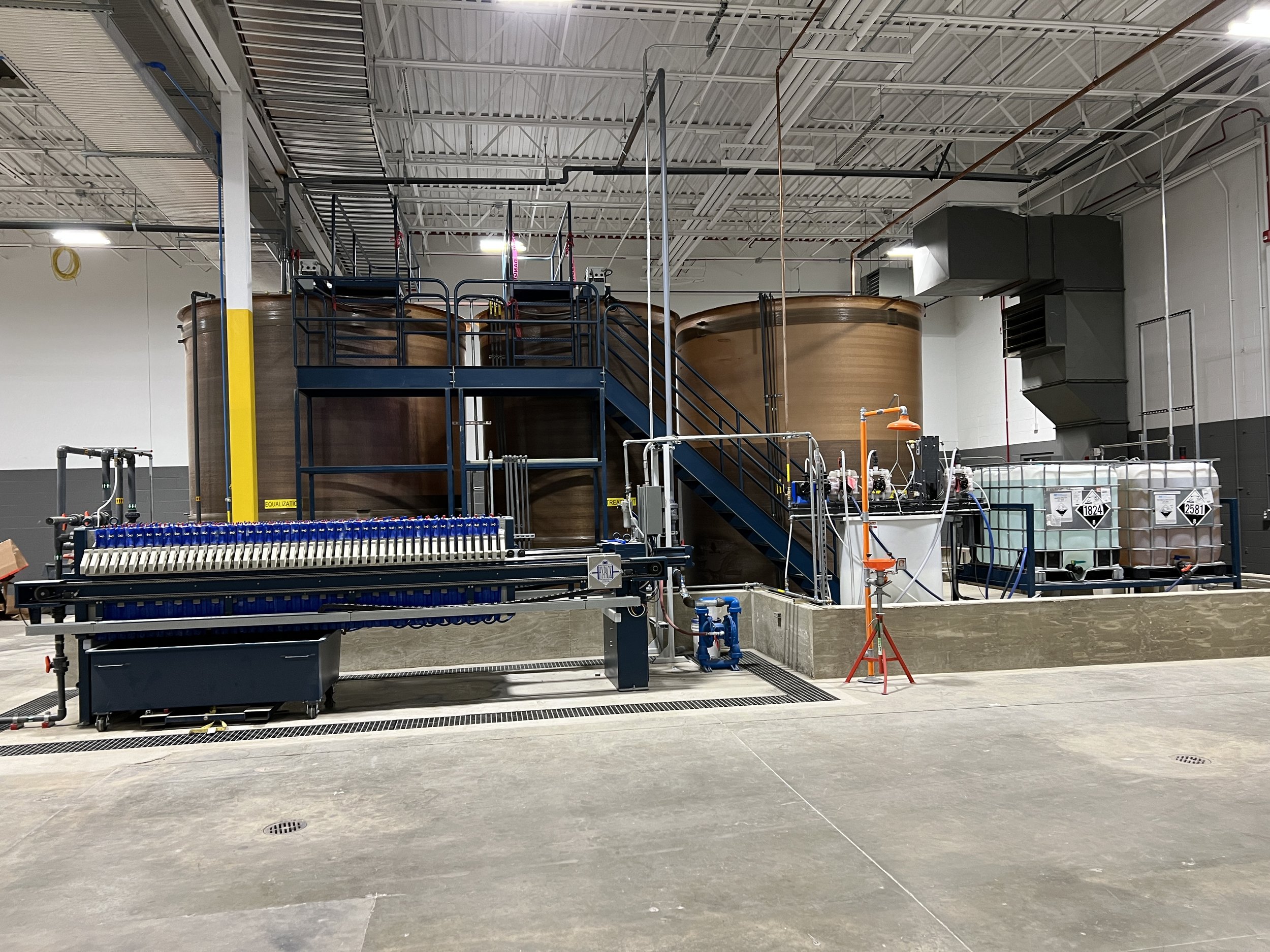
Installed 5,000 gallon batch system with full PLC controls and automatic plate shifter
Mastering Industrial Wastewater: Why a Beckart Environmental Batch Filter Press System Works
Managing industrial wastewater is a high-stakes balancing act. Facilities face tightening environmental regulations, rising disposal and liquid-hauling costs, and the constant pressure to keep production lines moving.
When dealing with heavy metals, high-strength waste, paints, or pigmented streams, traditional treatment methods can fall short. That is where a batch filter press system—like those engineered by Beckart Environmental—turns a messy disposal problem into a streamlined, cost-effective operation.
The Batch Process: Built for Variability and Control
Unlike continuous-flow setups that can struggle with sudden spikes in volume or chemistry, a batch-style design gives plant operators predictable control over every stage of treatment:
Equalization & Agitation: Wastewater flows from plant trenches into an equalization tank equipped with level sensors and air sparging (driven by a blower rather than compressed air) or heavy duty mixers that Beckart builds in house to keep solids suspended and prevent anaerobic breakdown.
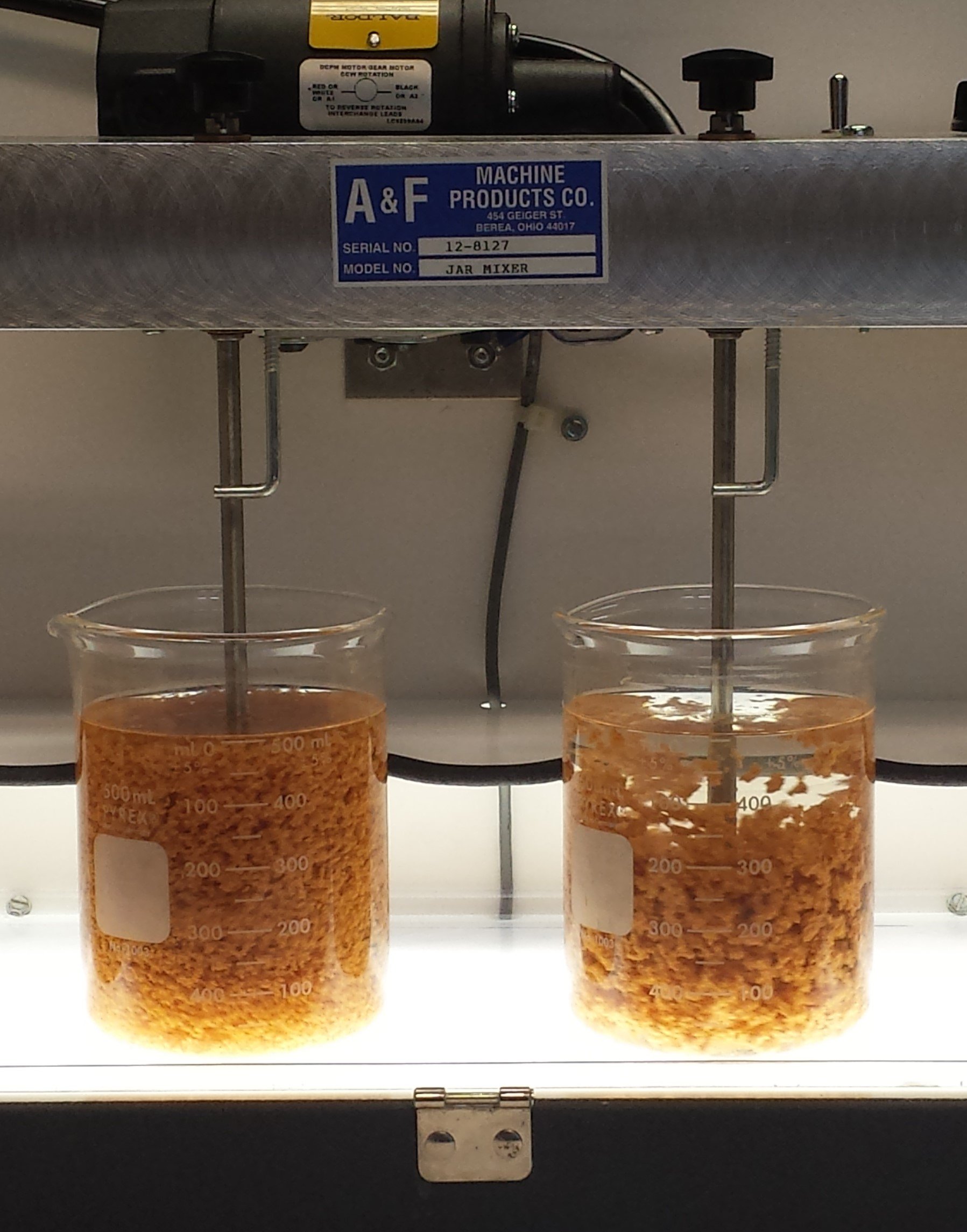
Controlled Treatment & Flocculation: Water transfers into a dedicated treatment tank where precise chemical dosing—such as, coagulants, single-step bentonite clay or dual-polymer (anionic and cationic) treatments—aggregates fine particles into strong, fast-settling flocs.
Sludge Separation & Dewatering: Settled sludge moves to a holding tank and feeds into a Beckart filter press (such as their Hypack or multi-batch designs) to squeeze out clear filtrate and leave behind a solid, compressed filter cake.
In many applications, this batch design allows complete cycles to run every few hours, optimizing chemical usage and tracking real-time operating costs through automated HMI panels.
Why Small-to-Mid Sized Generators (and Large Plants) Choose Beckart
Eliminate Liquid Hauling: For facilities generating anywhere from 50 to 10,000+ gallons per day, hauling liquid waste off-site drains budgets quickly. Converting that waste into a dry, compressed filter cake drastically reduces hauling volume and costs.
Operator-Friendly Automation: Modern Beckart systems feature electric hydraulic closures, automated fill/squeeze cycles, and programmable logic controllers (PLCs) that handle the heavy lifting.
Innovative Maintenance Add-Ons: Beckart’s unique Velcro style filter cloths Cleaning can be easily changed out in a few minutes and offer optimum water filtrate and compressed cake quality. Cleaning filter cloths no longer means manually hauling heavy plates out of the frame. Options like Beckart’s filter press curtains contain pressure-washing overspray and let operators clean cloths in place within a couple of hours. The most automated Beckart filter presses include automatic plate wash systems.
Single-Source Accountability: Because Beckart designs, engineers, and manufactures the core mechanical, chemical, and software components themselves, plant managers get a cohesive system backed by direct field service and start-up training.
Is a Batch Filter Press Right for Your Facility?
If your current wastewater process involves runaway chemical costs, sluggish dewatering times, or heavy liquid-disposal fees, upgrading to a dedicated batch filter press architecture can deliver a remarkably fast payback.
Explore more system layouts and technical guides directly on the Beckart Environmental Blog or check out their Wastewater Treatment Video Library to watch these automated presses in action.
If you'd like to dive deeper, let me know:
What type of industry or waste stream you are treating (e.g., metal finishing, printing, paint, food processing)?
Roughly how many gallons per day of wastewater your facility generates?